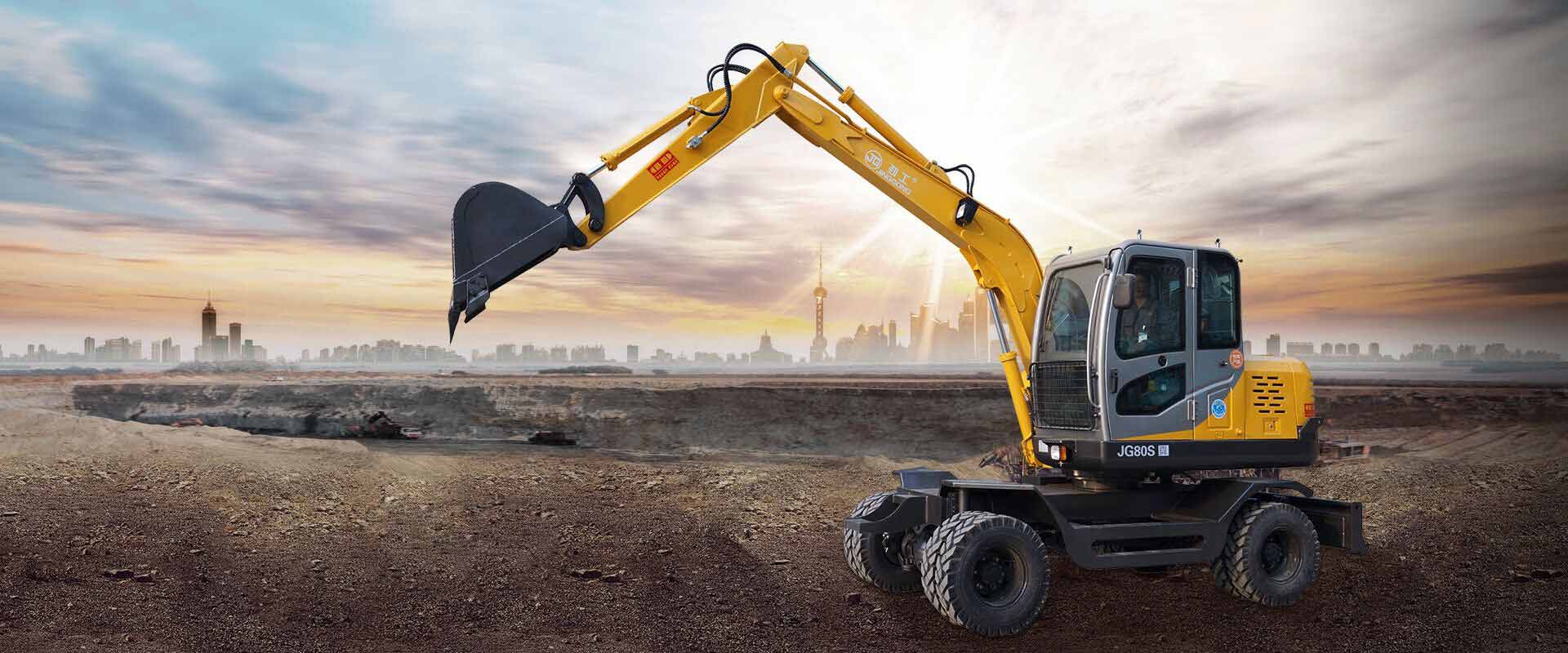
Покупка экскаватора — это значительная инвестиция для любой строительной компании или международного подрядчика. Неправильный выбор может привести к досадным простоям, резкому росту эксплуатационных расходов и серьезным финансовым потерям. В этом руководстве рассматриваются распространенные ошибки, с которыми сталкиваются международные покупатели, и даются практические советы, которые помогут вам принять более взвешенное решение, потенциально сэкономив до 30% от общих затрат на владение. Читайте дальше, чтобы ваша следующая покупка экскаватора повысила вашу прибыльность, а не создала вам проблемы.
Ловушка «ценовой отметки»: смотрите дальше первоначальной стоимости.
Многие иностранные покупатели сосредотачиваются исключительно на цене экскаватора, в итоге сталкиваясь с более высокими долгосрочными расходами. Выбор самой дешевой машины на начальном этапе часто кажется выгодным, но за этим часто скрываются непредвиденные затраты. Низкая начальная цена может коррелировать с низкой топливной экономичностью, что означает значительно большие расходы на дизельное топливо в течение всего срока службы машины. Она также может указывать на более низкое качество сборки, что приводит к более частым и дорогостоящим поломкам, сокращению срока службы компонентов и отсутствию важных функций, повышающих производительность. Более разумный подход заключается в расчете...
Общая стоимость владения (TCO)
Это означает, что необходимо учитывать прогнозируемый расход топлива (сравните характеристики в литрах в час), ожидаемые затраты на техническое обслуживание и ремонт (изучите наличие запчастей и типичные интервалы обслуживания в вашем регионе), потенциальную стоимость при перепродаже (авторитетные бренды лучше сохраняют свою стоимость) и общую производительность машины. Незначительные первоначальные инвестиции в более эффективную и надежную машину часто окупаются многократно.
Несоответствующая машина: игнорирование реальных требований к работе
Выбор экскаватора, не идеально подходящего для ваших типичных проектов, — это верный путь к неэффективности и пустой трате денег. Покупка слишком большой машины приводит к перерасходу топлива, неудобной работе на стесненных условиях и может повлечь за собой более высокие транспортные расходы. И наоборот, слишком маленький экскаватор будет работать с трудом, замедлять работу и подвергаться чрезмерным нагрузкам, что приведет к преждевременному износу. Игнорирование необходимости в определенных навесных устройствах или совместимости ограничивает универсальность машины с самого начала. Чтобы этого избежать, проведите тщательный анализ потребностей. Определите ваши основные задачи: глубокие траншеи, тяжелый демонтаж, погрузка и разгрузка материалов или добыча полезных ископаемых? Определите типичную необходимую глубину копания и вылет стрелы, что определяет размер машины (например, 10 тонн, 20 тонн, 30 тонн и более) и конфигурацию стрелы. Оцените типичные условия вашей строительной площадки: стесненные городские пространства требуют моделей с нулевым или коротким вылетом стрелы, в то время как пересеченная местность требует прочного шасси. Наконец, определите необходимое навесное оборудование (ковши, молотки, грейферы и т. д.) и убедитесь в его совместимости с выбранной вами машиной заранее, чтобы избежать дорогостоящей модернизации в дальнейшем.
Скрытые опасности подержанного оборудования: игнорирование должной осмотрительности.
Хотя подержанные экскаваторы могут быть выгодной покупкой, приобретение по «выгодной цене» без надлежащей проверки крайне рискованно. Скрытые структурные повреждения, пренебрежение техническим обслуживанием или неуказанное большое количество часов работы могут привести к немедленным и очень дорогостоящим поломкам, превратив выгодную сделку в бездонную яму для денег. Защитите свои инвестиции, настаивая на тщательной проверке. Всегда нанимайте квалифицированного независимого инспектора для тщательного осмотра машины. Этот осмотр должен охватывать двигатель, гидравлические системы (насосы, цилиндры, шланги), основную конструкцию (на наличие трещин или некачественной сварки), ходовую часть (износ гусениц, катки, направляющие колеса, звездочки) и все функции кабины. Требуйте полную, задокументированную историю обслуживания; если она недоступна, заложите в бюджет средства на случай наихудшего сценария ремонта. Убедитесь, что счетчик моточасов не был подделан – большое количество часов работы не обязательно плохо, если техническое обслуживание было безупречным, но вам нужны доказательства. Наконец, настаивайте на эксплуатационном тестировании, запуске всех функций, в идеале под нагрузкой, чтобы выявить любые скрытые проблемы.
Проблема недостаточной технической поддержки: игнорирование дилерской сети и доступности запчастей.
Выбор бренда или продавца исключительно на основе самой низкой цены, игнорируя послепродажную поддержку, — серьезная ошибка для иностранных покупателей. Простоя — ваш главный враг. Неделями ожидание доставки критически важной детали из-за границы или отсутствие доступа к квалифицированным специалистам в вашем регионе могут серьезно нарушить сроки выполнения проекта и снизить его прибыльность, значительно перевесив любую первоначальную экономию. Отдавайте предпочтение брендам с проверенным и надежным присутствием в вашей стране или регионе. Изучите местную сеть авторизованных дилеров и сервисных центров производителя. Задавайте конкретные вопросы об уровне запасов распространенных деталей и типичных сроках доставки нестандартных товаров. Убедитесь, что у дилеров есть специалисты с надлежащей заводской подготовкой по конкретным моделям, которые вы рассматриваете. Тщательно изучите условия гарантии, особенно процедуру рассмотрения претензий для иностранных клиентов, прежде чем принимать решение.
Вклад и обучение операторов: недооцененный фактор эффективности.
Руководство часто выбирает оборудование, не консультируясь с операторами, которые будут использовать его ежедневно, что приводит к плохой эргономике, снижению эффективности и даже повреждению техники. Операторы прекрасно понимают специфические проблемы конкретного объекта и практические нюансы различных элементов управления и функций машин. Кроме того, неподготовленные операторы, даже опытные, работающие с новой моделью, неизбежно будут работать медленнее и могут непреднамеренно причинить дорогостоящий ущерб из-за неправильного использования. Привлекайте ключевых операторов к процессу выбора на ранних этапах. Запросите их отзывы о комфорте кабины, обзорности, предпочтениях в расположении элементов управления и распространенных проблемах, с которыми они сталкиваются при работе с вашим текущим парком техники. Их мнение бесценно при выборе машины, с которой операторы смогут эффективно и комфортно работать. После приобретения нового экскаватора инвестируйте в комплексное обучение операторов, специфичное для данной модели. Правильное обучение максимизирует производительность, обеспечивает безопасную эксплуатацию и значительно продлевает срок службы машины, предотвращая ее неправильное использование.
Истинная цена: недооценка приспособлений и технологий.
Закладывать в бюджет только базовую технику — распространённая и дорогостоящая ошибка. Специализированное навесное оборудование, такое как ковши различных типов и размеров, гидравлические молоты, грейферы или системы выравнивания, а также современные технологии, например, GPS/GNSS-управление машиной, представляют собой существенные дополнительные инвестиции, но часто необходимы для эффективного и прибыльного выполнения конкретных задач. Неучёт этих расходов на начальном этапе может привести к превышению бюджета и задержке проектов. Тщательно составьте список всего необходимого навесного оборудования, которое вам потребуется немедленно, и того, которое вы планируете использовать в течение следующих 1-2 лет. Получите предложения по этим товарам в комплекте с покупкой техники, поскольку дилеры часто предлагают более выгодные пакетные предложения. Аналогично, оцените, необходима ли вам для работы такая технология, как GPS для точного выравнивания; если да, включите её в первоначальный бюджет и технические характеристики машины. Учёт всех необходимых дополнительных элементов с самого начала обеспечивает реалистичную картину общих инвестиций и позволяет избежать неприятных финансовых сюрпризов.
Правильный выбор для долгосрочного успеха
Покупка экскаватора — сложное решение со значительными финансовыми последствиями. Не ограничиваясь первоначальной ценой, тщательно оцените свои конкретные операционные потребности, реальное состояние подержанной техники, критическую важность местной поддержки, требования к оператору, а также полную стоимость необходимого навесного оборудования и технических средств. Это обеспечит вам успех. Избегая этих распространенных ошибок, вы сможете выбрать машину, которая обеспечит максимальное время безотказной работы, производительность и прибыльность на протяжении всего срока службы, что позволит вам сэкономить до 30% и более по сравнению с необдуманной покупкой. Не торопитесь, проведите исследование, проконсультируйтесь с экспертами и операторами и инвестируйте с умом на долгосрочную перспективу. Ваша прибыль скажет вам спасибо.
Готовы подобрать идеальный экскаватор для ваших международных операций? Ознакомьтесь с нашим обширным ассортиментом надежных высокопроизводительных машин и получите консультацию экспертов, адаптированную к вашим конкретным потребностям и региону.
No. 88 Pancuo, Jiaonan Village, HeShi Town, Luojiang District, Quanzhou, Fujian, China
телефон : +8618805957336
WhatsApp : +8618805957336
электронное письмо : winny@fjjgjx.com
 сеть ipv6 поддерживается
 отсканировать в Wechat :

 телефон : +8618805957336
 электронное письмо : winny@fjjgjx.com


 Карта сайта